


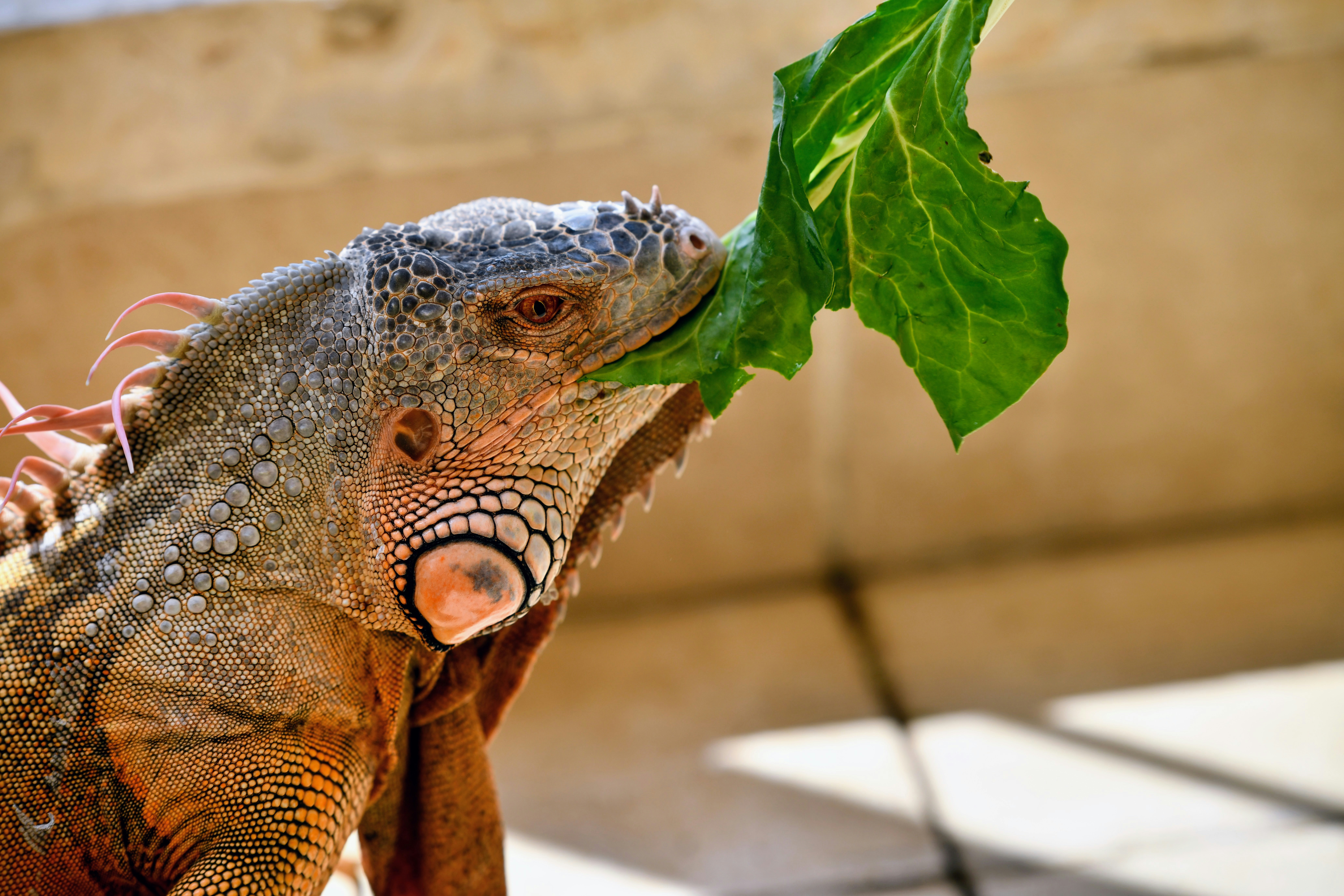
Iguanas eat leaves and flowers
Most lizards are insectivores, whereas iguanas are mainly herbivorous. Young animals may eat a few insects in the wild, but adults are essentially plant-fed.
Pet iguanas should receive plant-based food only. Eating dog or cat kibble—even if they seem to tolerate it—can cause serious long-term damage, especially to the kidneys. Do not feed dog or cat food to iguanas.
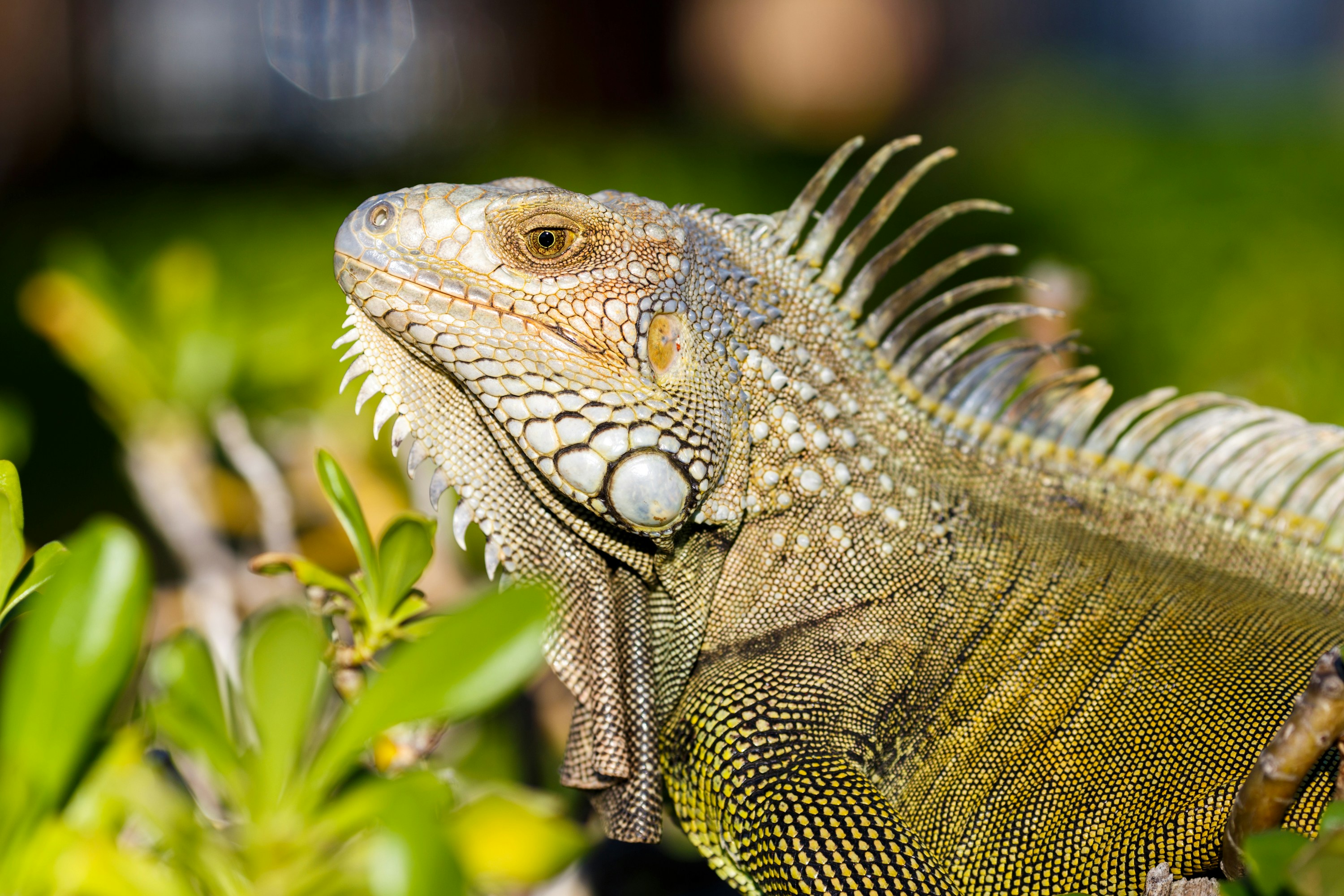
Suggested foods
Leaves and flowers are central: mulberry leaves, rocket, dill, Japanese rose leaves/flowers, mallow leaves/flowers, courgette and flowers, marigold, mallow and dandelion are suitable options.
Chop greens to size and mix with fruit and vegetables for a salad. Apple, courgette, peppers, grapes, fig, pear, banana, kiwi and plum can be added in moderation.
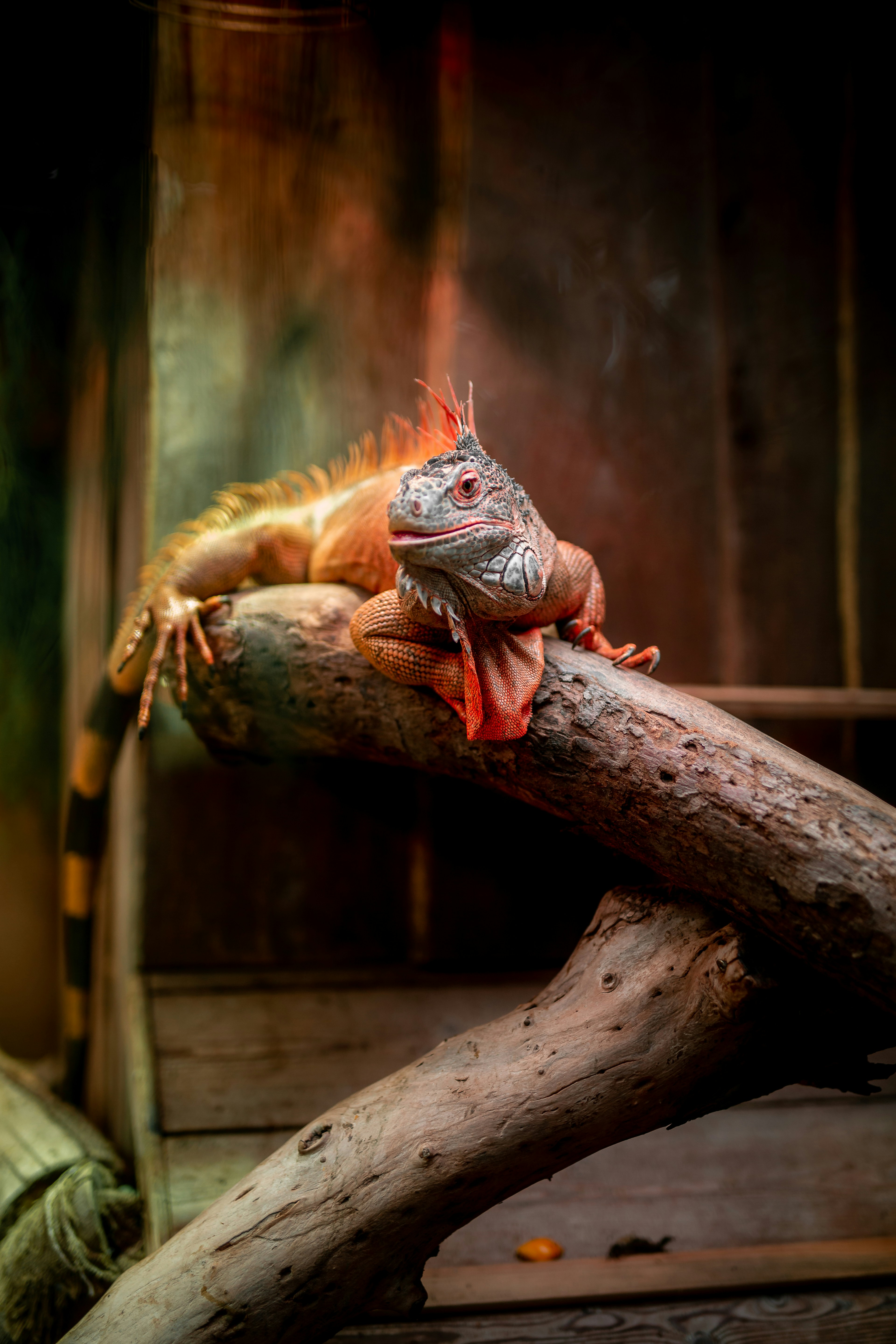
Feeding safety checklist
- All food must be fresh; never offer spoiled produce.
- Chilled vegetables should reach room temperature before feeding.
- If ambient temperature is too low in winter, the iguana may refuse food.
- Never trial-feed plants you are unsure about.
- Iguanas are leaf-eaters, not grass-eaters like rabbits or guinea pigs.
- Rotate leafy ingredients rather than offering a single food item.
Leaves, not lawn grass
Iguana digestion suits a leaf-based diet. Avoid a single-grass diet and aim for varied leaves and flowers.
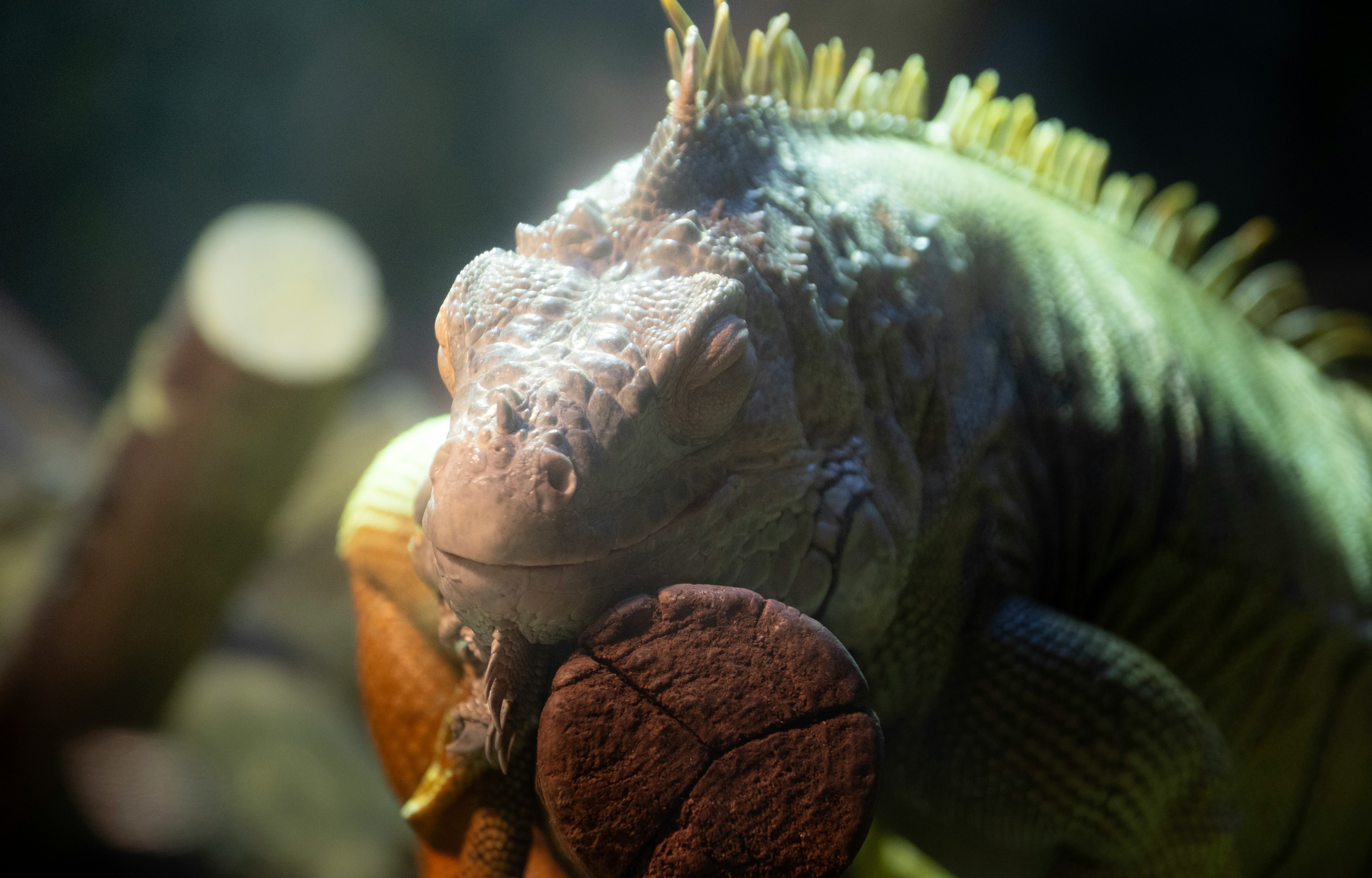
Feeding iguanas is easier today
Maintaining high temperatures in winter can be harder; warm weather helps. Controlled natural sunlight supports bone and general health.
Iguanas can recognise their carers and learn routines. Hand-feeding safe leaves builds trust. They may eventually interact with other household pets.