


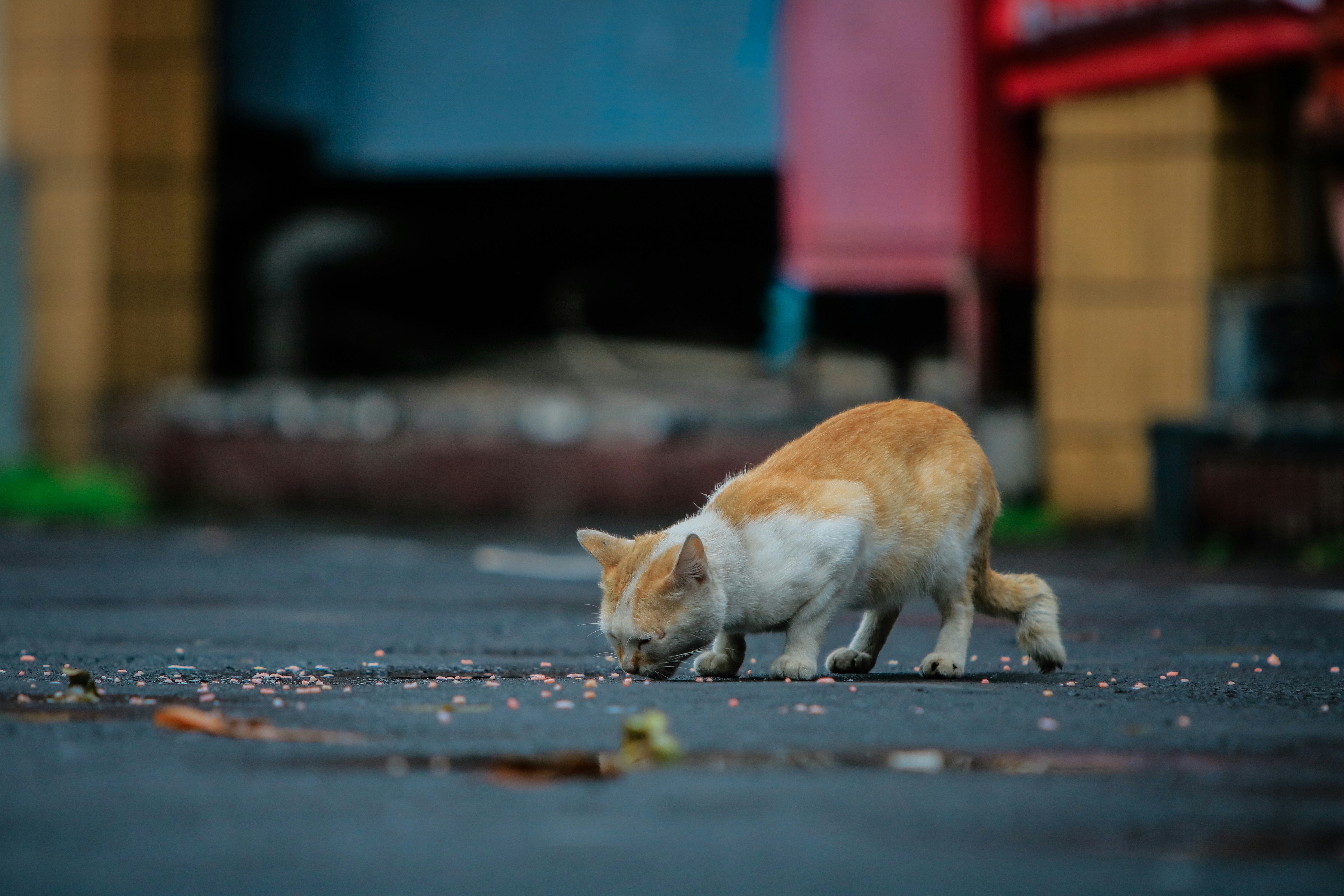
Feeding street animals responsibly
Many carers now support street animals too. That is valuable—but done wrong it can unintentionally harm them.
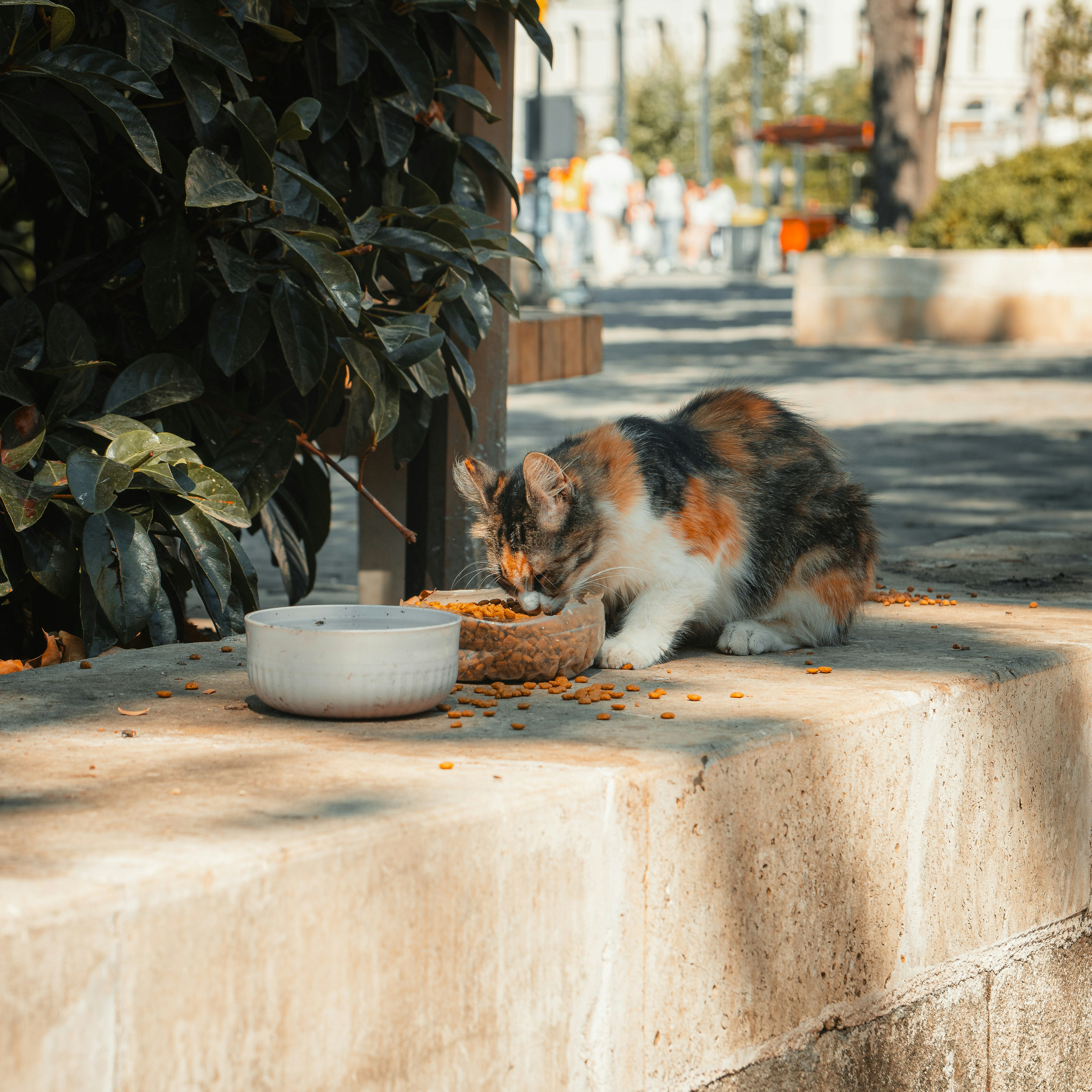
Basic rules
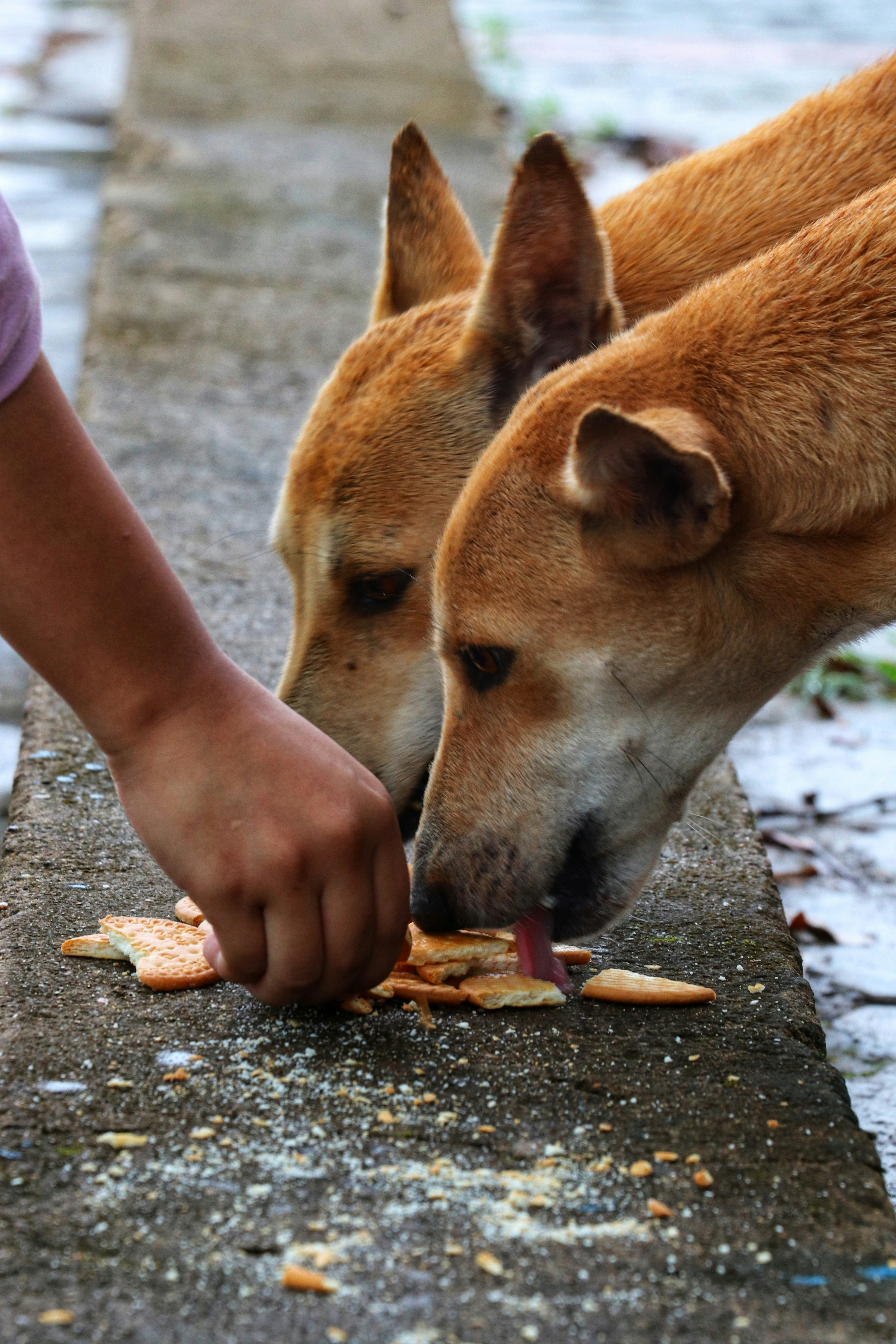
- Healthy adult street cats and dogs often cope with one meal a day.
- Food should be fresh—not too greasy, spicy, very hot or very cold.
- Wash bowls; dirty dishes harbour bacteria.
- Better a measured portion of quality food than large amounts of poor food.
- Avoid fish offal and other easily spoiled items.
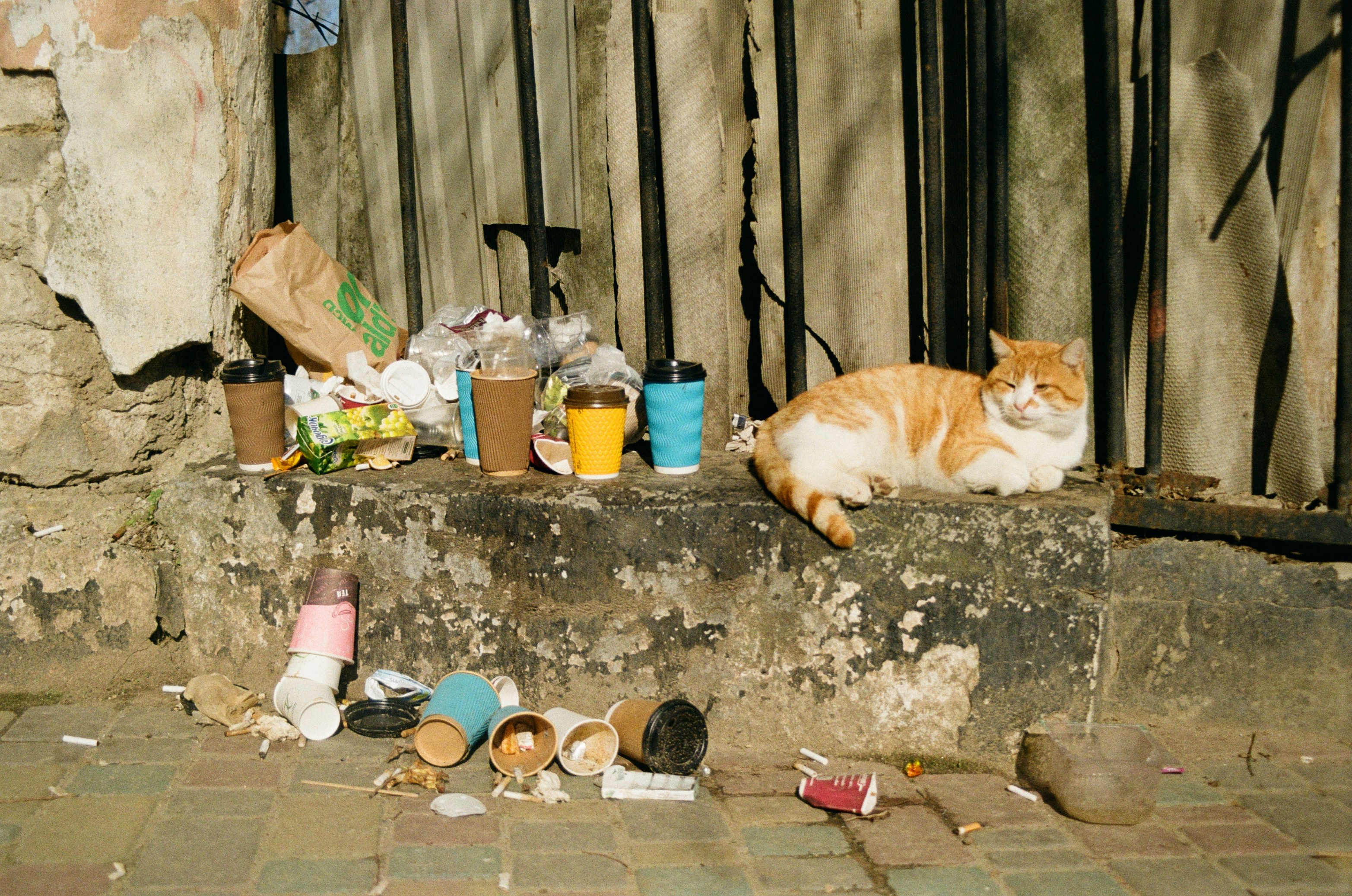
Spread feeding points
Do not pile all food in one spot—dominant animals may monopolise it. Use several small portions in quiet areas. Avoid littering near bins; prefer parks and green corners.
Disease in crowded groups
The more animals crowd together, the higher the infection risk—viral disease in cats, parvovirus, distemper, mange and others in dogs. Smaller, spaced feeding groups help.
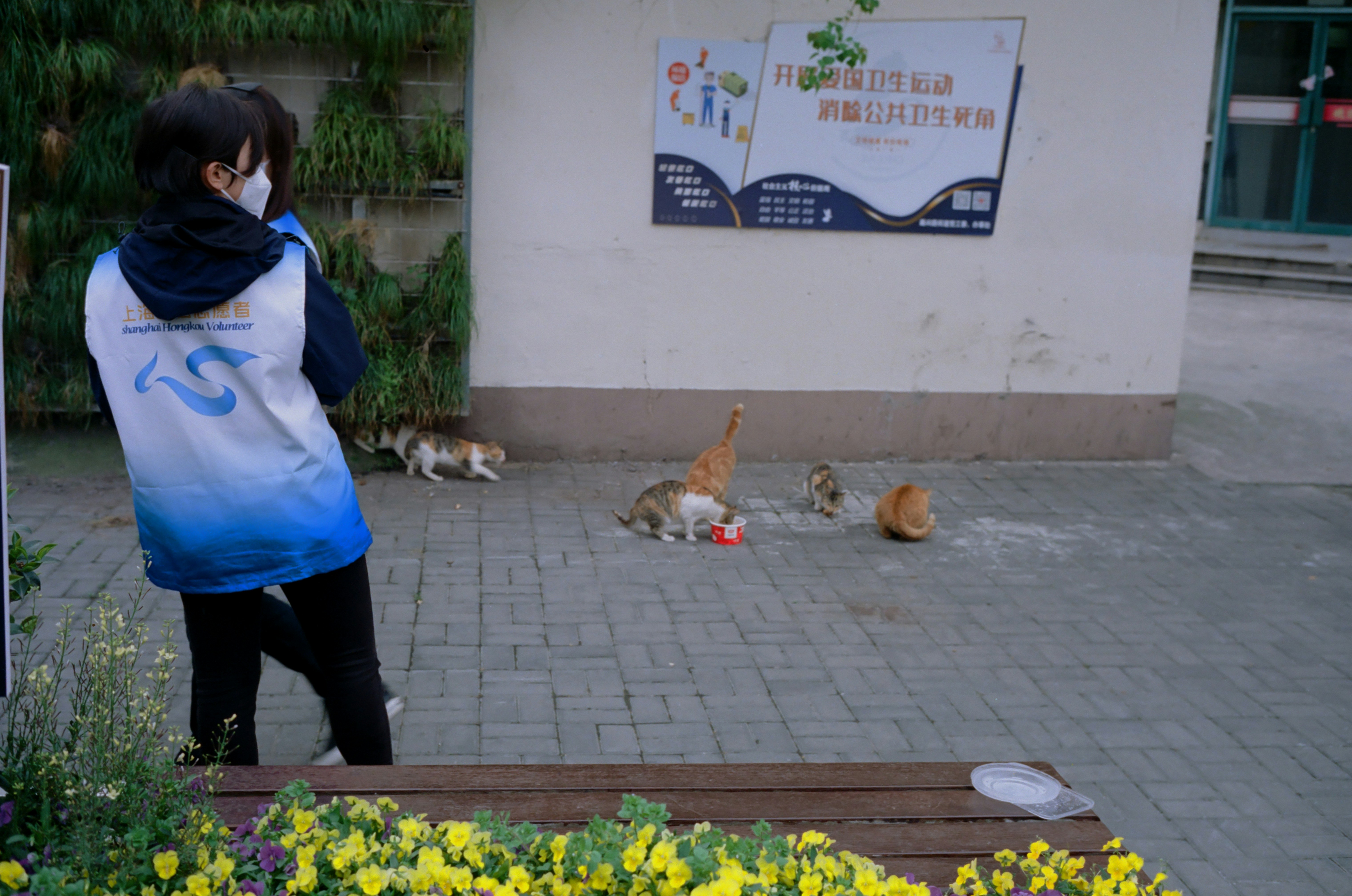
Work with local services
Contact municipal vet teams for neutering, treatment, vaccination and emergencies.

They need affection too
Street dogs need food, safety and kindness—a pup following you may be hungry and also seeking connection.
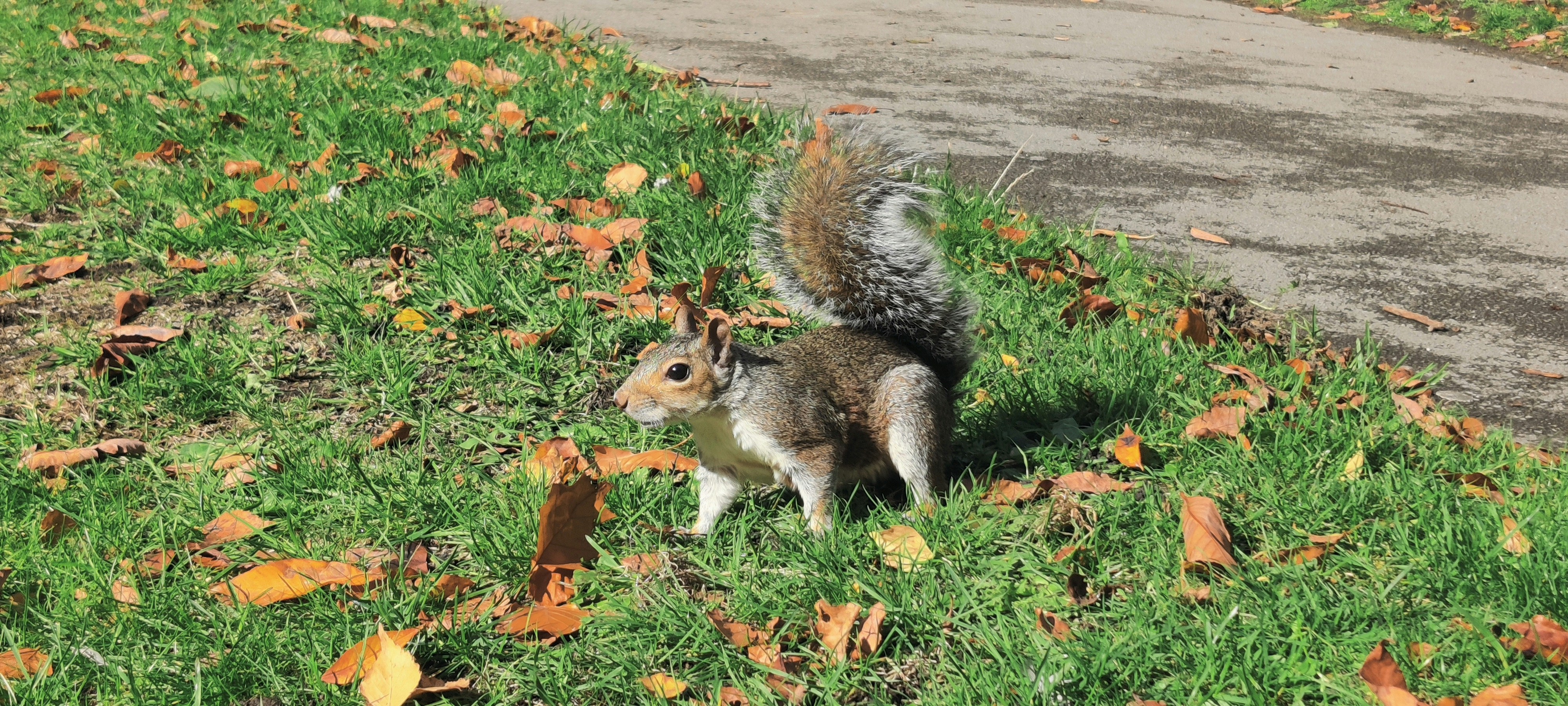
Wildlife are not pets
If you find injured or orphaned wildlife, contact a vet or official wildlife services rather than keeping the animal at home. Keeping wildlife illegally may have legal consequences; their place is in the wild.