

Always use a leash for dogs
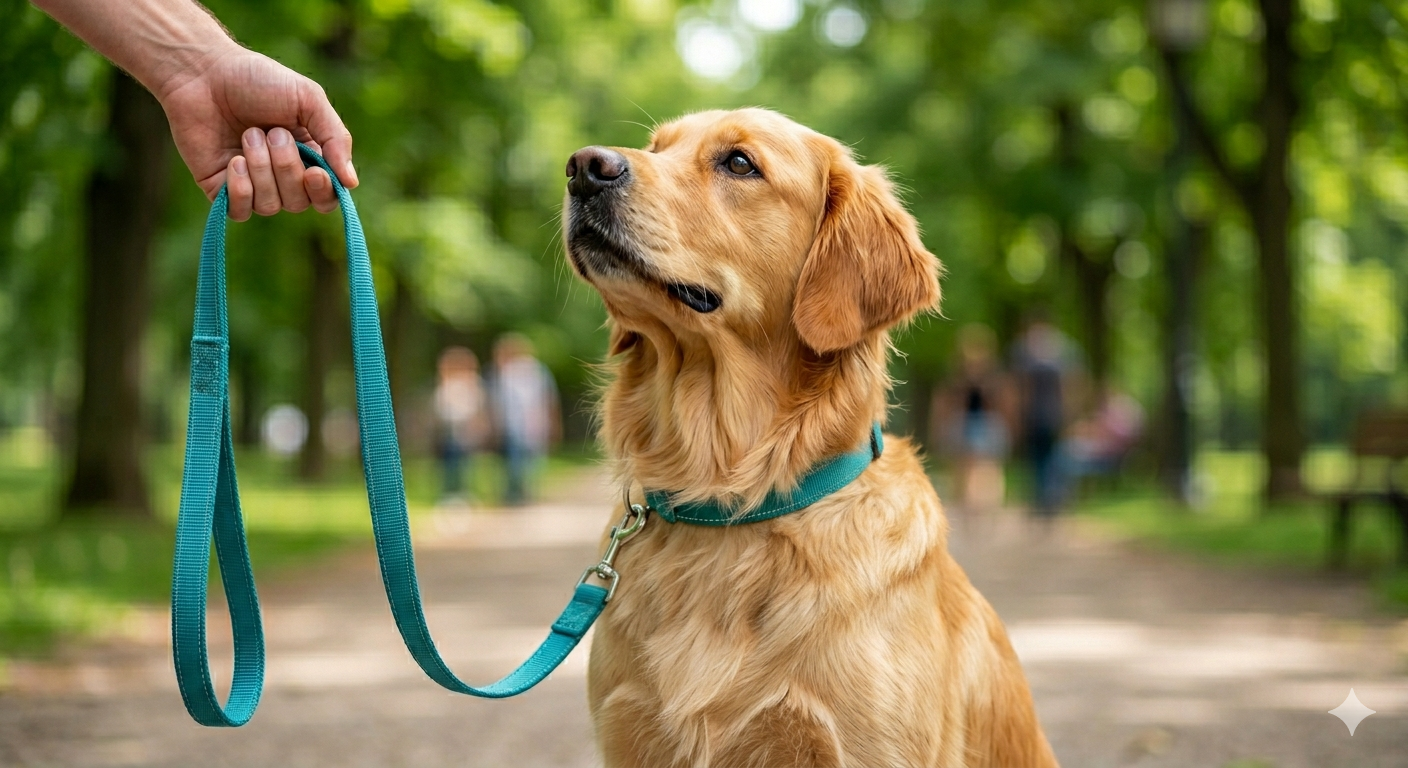
Love and friendship come first in the bond between people and dogs. Even so, a leash and harness are essential to manage, train and protect your dog. With a leash you teach your dog to slow down, stop, walk beside you and explore outside safely.
For dogs without basic training, a leash reduces the risk of running off and injury. For public safety and order, dogs should be walked on a lead. That rule matters even more for energetic breeds or those with a strong guarding instinct.
Dogs that walk regularly stay healthier
Once vaccinations are complete, regular walks support muscle and skeletal development, improve behaviour balance and boost socialisation. For active breeds such as German Shepherds, Boxers and Golden Retrievers, planned exercise clearly improves quality of life.

Extra eye care in some breeds
In breeds such as Pekingese, Lhasa Apso, Chihuahua, French Bulldog and Pug, eye anatomy is more delicate. Be careful in scrub and long grass; watering or discharge should be taken seriously. Do not use eye medication without veterinary advice.
Think carefully before breeding your dog
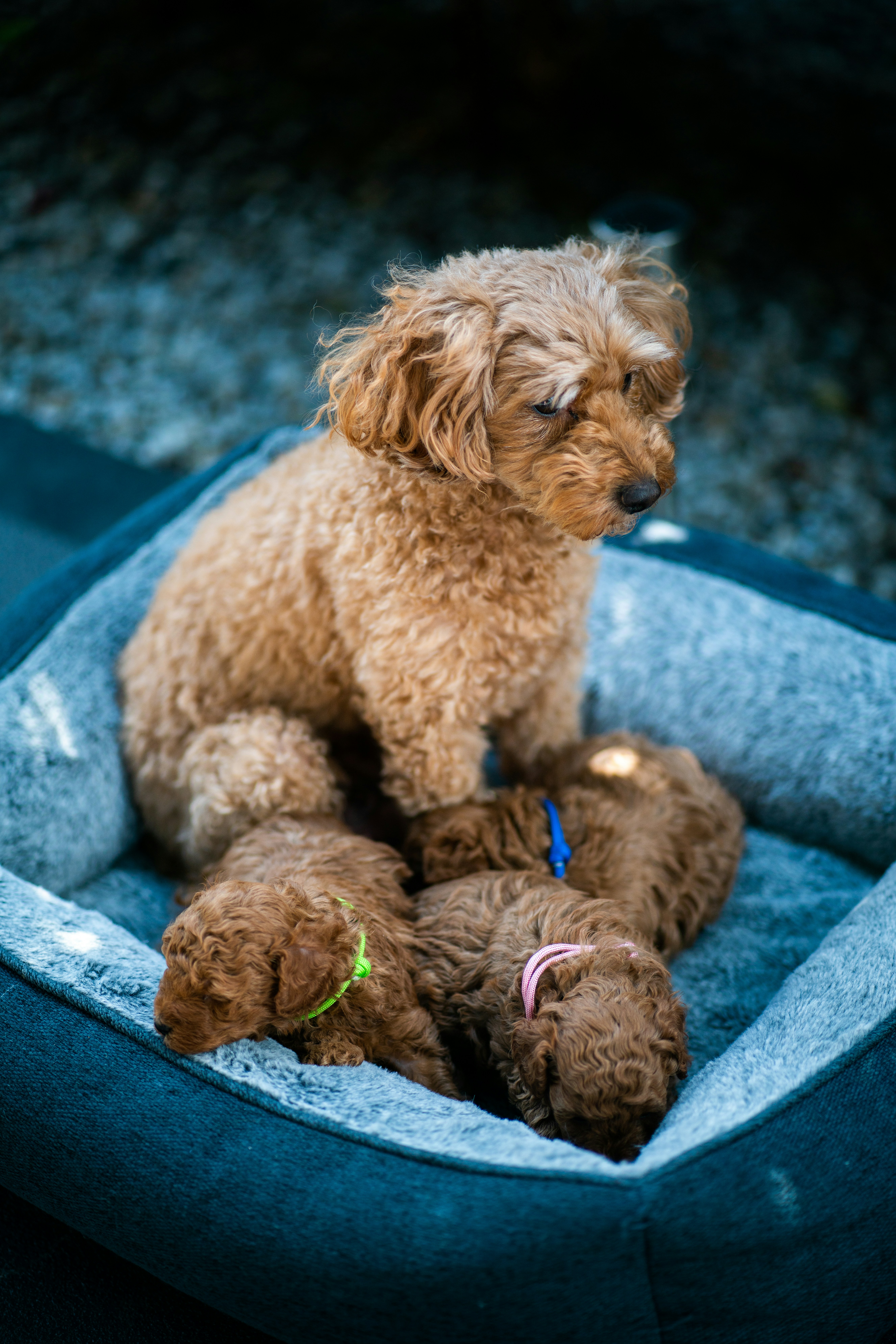
Pregnancy, whelping and raising puppies is a serious responsibility for female dogs. Feeding puppies, health checks and placing them in safe homes is demanding. Unplanned breeding can put both the dam and puppies at risk. Discuss the decision with your vet first.
Tone of voice matters in training
Dogs learn better with consistent cues and timing. A clear, calm and firm tone works better than harshness. Inconsistent handling can worsen behaviour problems.
Do not encourage late-night play
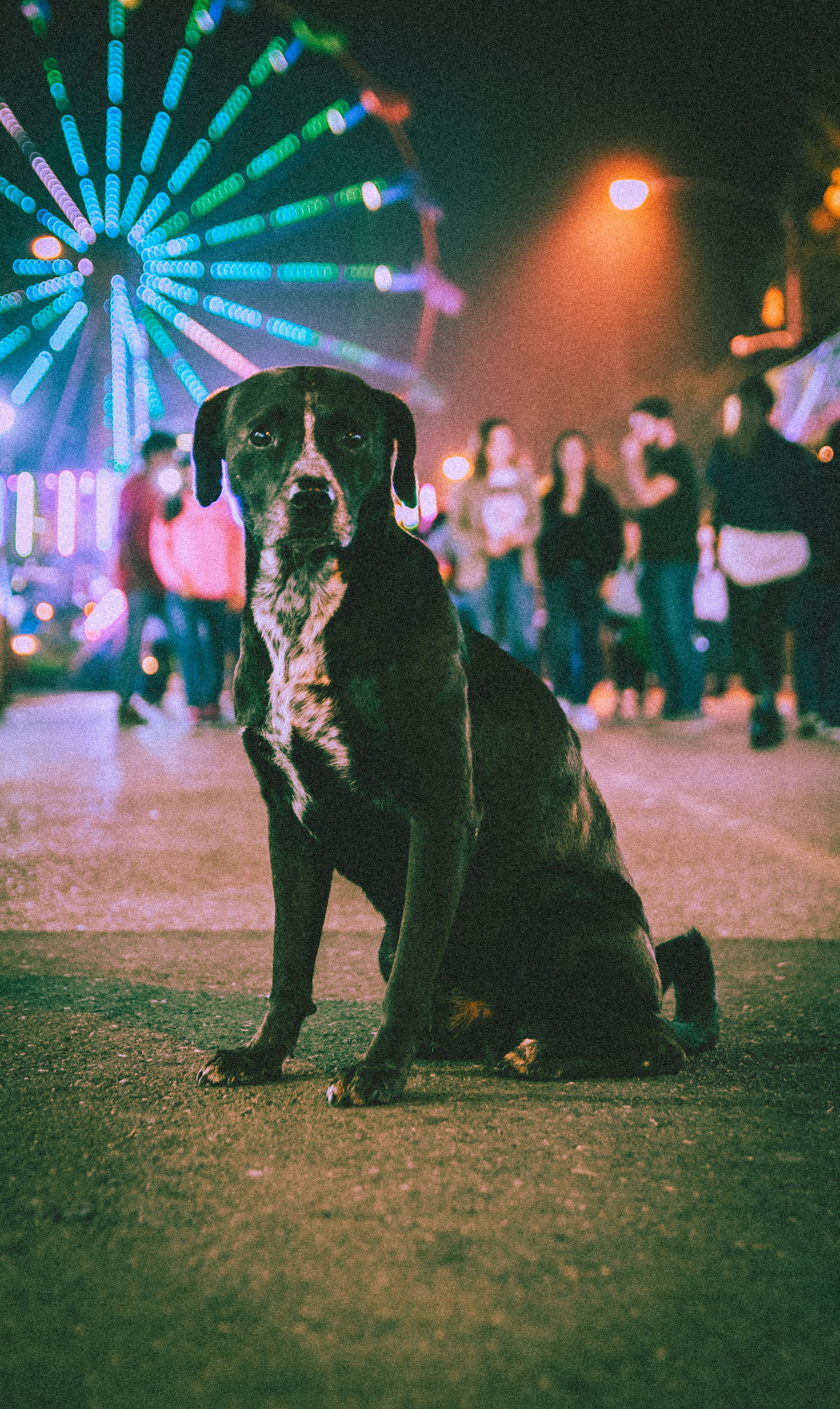
Encouraging intense activity late at night can disrupt the household. A short final walk and a calm wind-down routine help your dog settle and keep a steadier day–night rhythm.
Avoid “winding up” games that provoke the dog
Teasing at mealtimes or turning growling into a “game” can lead to aggression later. Behaviours that seem cute in a puppy can become a serious safety issue in an adult dog.
Meet chewing needs with safe toys
Chewing is natural in dogs. Without appropriate toys of the right size, dogs may damage shoes, remotes and similar items. Choose durable, safe materials.
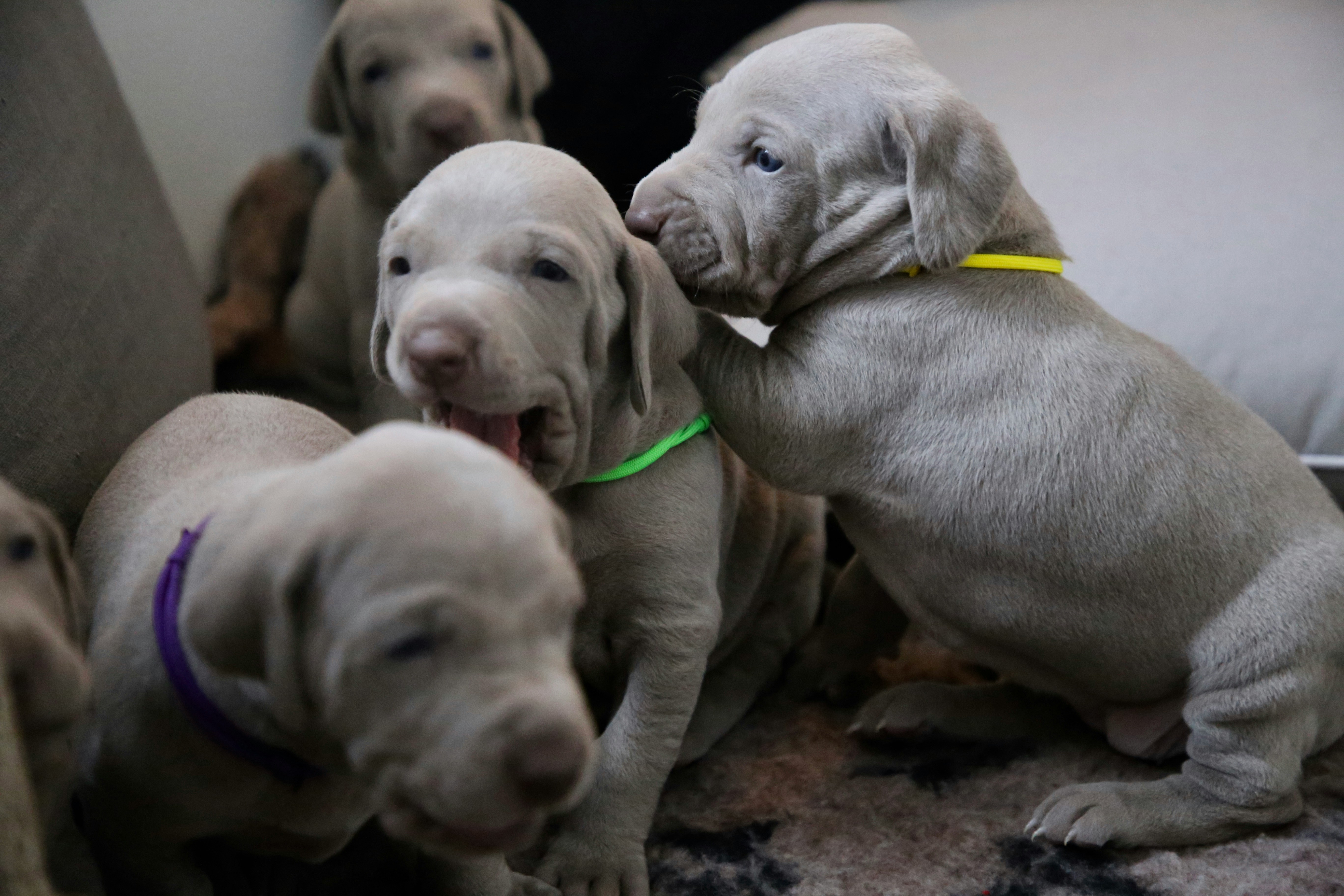
Introduce the leash early
A light leash can be introduced around 6–8 weeks. Let the puppy accept the collar first, then practise short walks; check fit regularly.
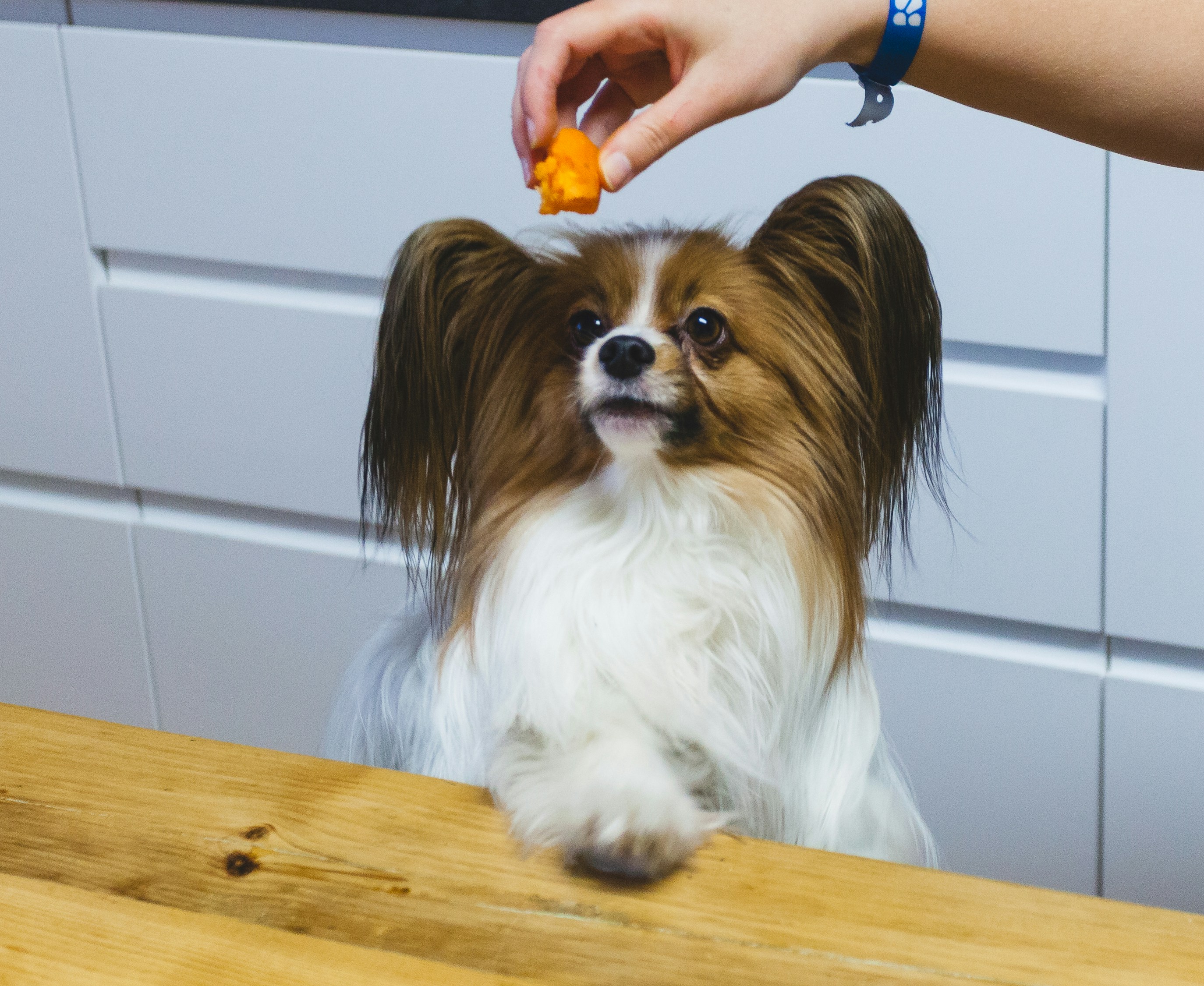
Watch weight when using treats
Training treats help, but overuse leads to weight gain. Obesity raises the risk of diabetes, joint disease and reduced quality of life.

Take vomiting seriously
Repeated vomiting is not "normal". Causes may include infection, gastrointestinal disease or foreign bodies. Contact your vet promptly if vomiting persists.