

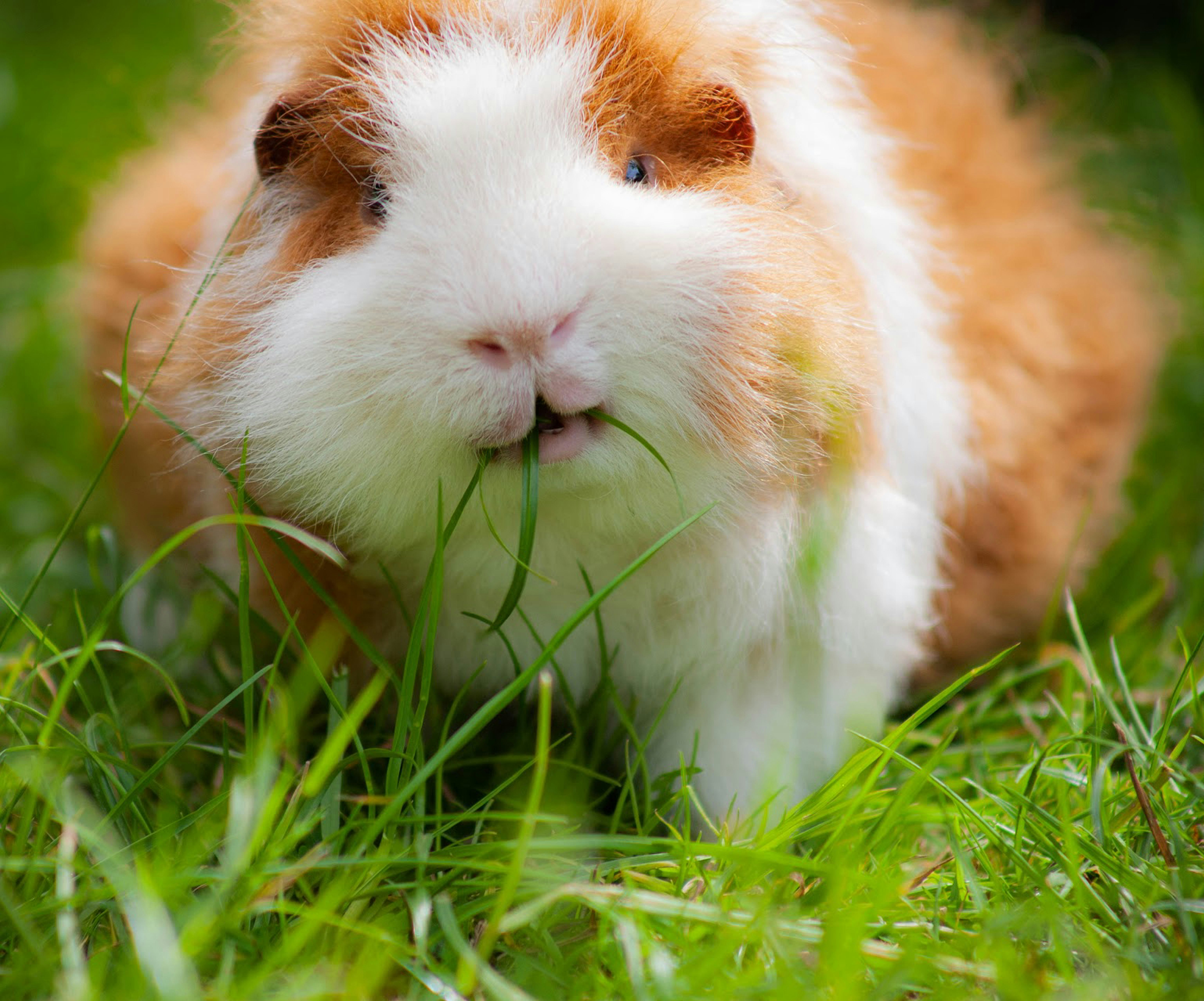
Spring brings wonderful natural foods
If you keep rabbits, guinea pigs or iguanas, spring offers varied natural options: dandelion, sorrel, mallow, basil and marigold are abundant. Use the season to widen the menu safely.
When offering fresh greens, still provide hay, straw and dry feeds. Introduce greens gradually to reduce diarrhoea risk.
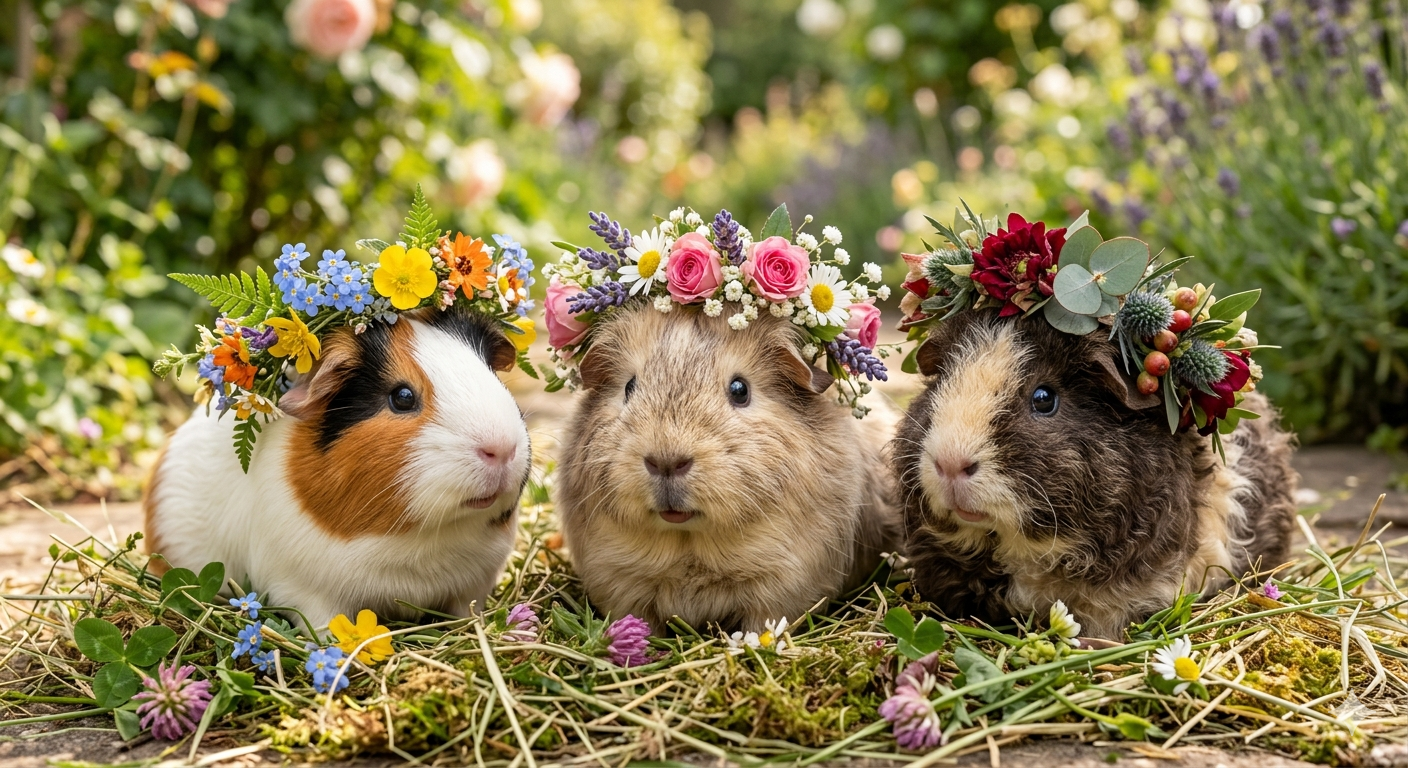
Why a guinea pig can be a great pet
- Urine and faeces smell relatively mild with good hygiene.
- Chewing behaviour is lower than in many other rodents.
- With gentle handling they bond quickly with people.
- They can recognise you and enjoy calm contact.
- They vocalise contentment in their own way.
- With good care they can live many years.
Avoid lettuce as a staple
Lettuce is mostly water and poor nutrient value. Potato, potato peel, red cabbage and beet can cause serious digestive upset. Tomato, radish, broccoli, cauliflower, melon and watermelon only in tiny amounts. Hay should always be available.
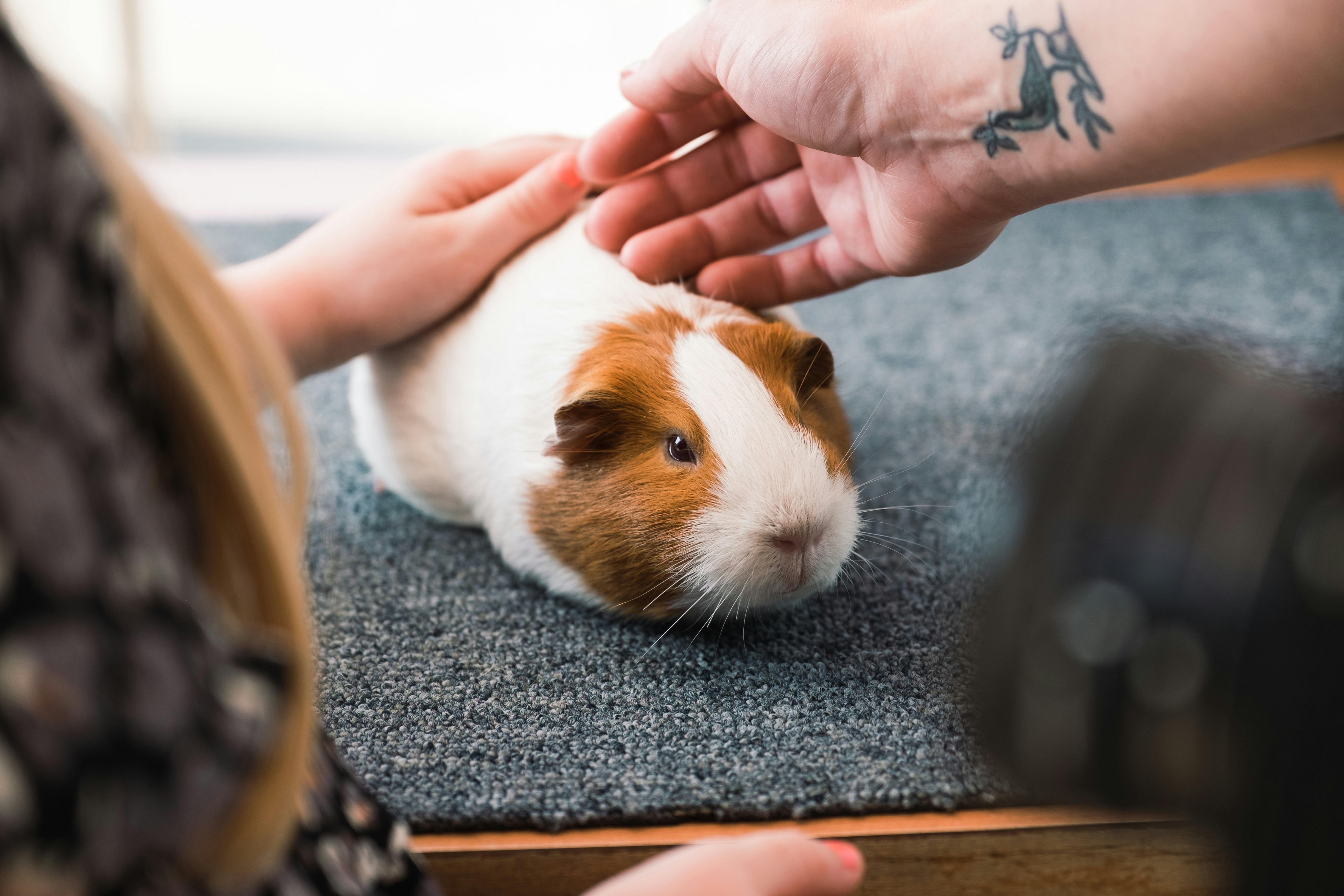
Building trust
Hand-feeding favourite vegetables speeds bonding. Support the chest when lifting; avoid rushing. Gentle strokes around the ears help habituation. Sudden noise, bright light or rough handling causes fear.
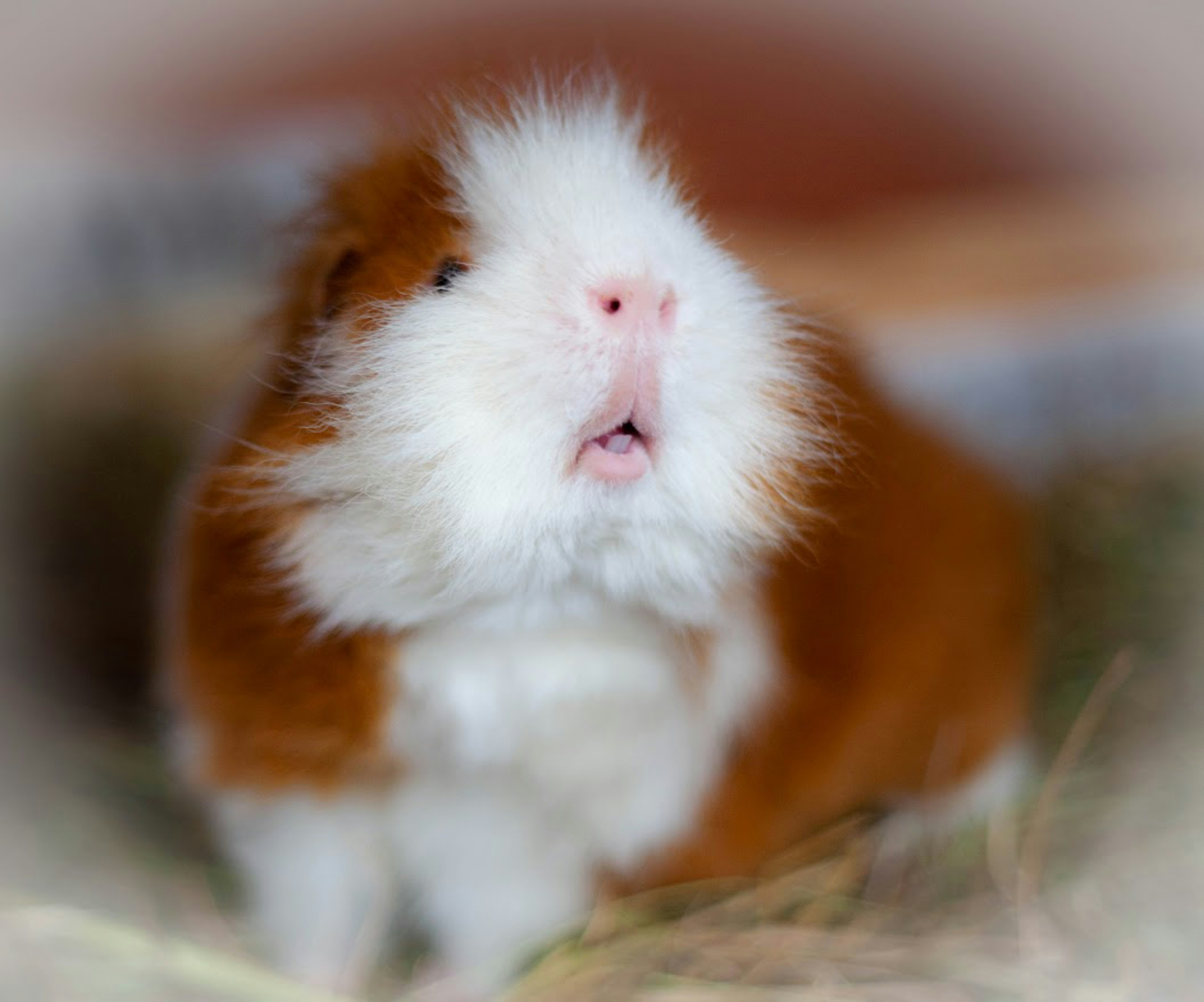
Dental overgrowth
In the wild, guinea pigs and rabbits wear teeth on tough plants. Poor diets at home can cause overgrowth or fractures and inability to eat. Offer coarse hay, safe wood and balanced vitamin C. Vet dental checks about every three months are ideal.
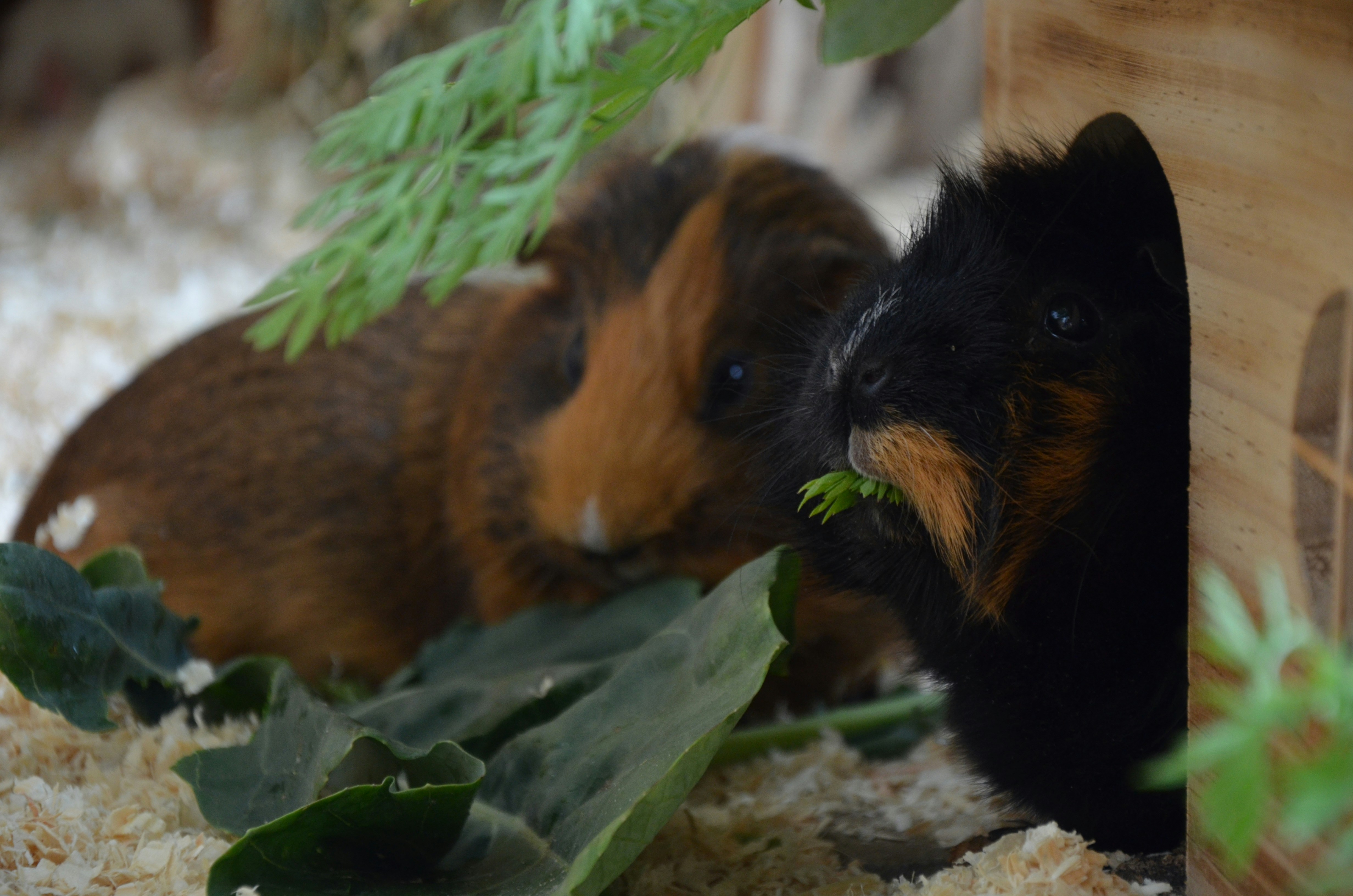
Guinea pigs love wooden hides
They appreciate small, secure shelters. A wooden house and hide toys in the cage reduce stress and enrich the environment.